
Background
Bacterial skin disease (or pyoderma) is a common canine disorder, usually associated with staphylococci (Mason, 1991). Bacteria may cause an infection secondary to local trauma due to scratching caused by parasites, irritants, allergies etc. (Bajwa, 2016). Treatment for these infections frequently leads to prescription of systemic antimicrobial agents. However, the ability to treat canine pyoderma effectively is now limited substantially by the emergence of multidrug-resistant, methicillin-resistant staphylococci (MRS) (Loeffler & Lloyd, 2018). The use of non-antibiotic treatment should, therefore, be considered.
Case presentation
The condition (Figure 1) persisted for many years.
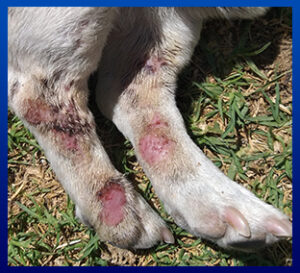
Figure 1: Canine bacterial skin disease (or pyoderma) persisting for many years.
Management and Result
NanomedSa’s Oxyprop was applied 3 times daily. Applications were then reduced to twice daily, and lastly once per day until the infection cleared up and hair started growing back 2 months later (Figure 2).
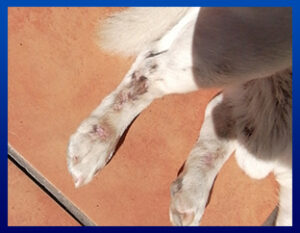
Figure 2: Two months after application of Oxyprop was initiated
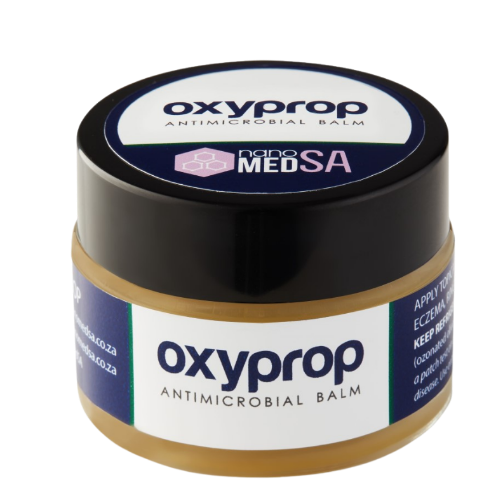
NanomedSa’s Oxyprop combines the antimicrobial, anticancer and healing properties of propolis (Grange & Davey. 1990; Bankova et al. 1995; Ramos & Marinda. 2007; Dalben et al. 2011; Sawicka et al. 2012; Pobiega et al. 2017; Ishida et al. 2018) and ozonated olive oil (Sechi et al. 2001; Patel et al. 2012; Elshenawie et al. 2013).
The balm can be applied topically for a variety of skin ailments in animals including:
- Staphylococcal Pyoderma (bacterial skin infection)
- Eczema
- Ringworm
A patch test on small area should be performed prior to usage to determine skin sensitivity.
The product should not be applied to open wounds.
Ingredients: Propolis, TripleO (ozonated olive oil), beeswax, almond oil and lanolin.
References
- Bajwa, J., 2016. Canine superficial pyoderma and therapeutic considerations. Can Vet J. 57(2):204-6.
- Bankova, V., Christov, R., Kujumgiev, A., Marcuccic M.C., Popov, S. Chemical Composition and Antibacterial Activity of Brazilian Propolis. 1995. Z Naturforsch. 50c:167-172
- Dalben Dota, K.F., Lopes Consolaro, M.E., Svidzinski, T.I.E., Bruschi, M.L. 2011. Antifungal Activity of Brazilian PropolisMicroparticles against Yeasts Isolated from Vulvovaginal Candidiasis. Evid Based Complement Alternat Med. Article ID 201953, doi:10.1093/ecam/neq029
- Elshenawie, H.A., Shalan, W.E.A., Abdelaziz, A.E. 2013. Effect of Ozone Olive Oil Ointment Dressing Technique on the Healing of Superficial and Deep Diabetic Foot Ulcers. J Am Sci. 9(11):235-250
- Mason, I.S., 1991. Canine pyoderma. Journal of Small Animal Practice. J Small Anim Pract.32:381-386
- Grange, J.M., Davey, R.W. 1990. Antibacterial properties of propolis (bee glue). Royal Soc. Med. 83:159-160
- Ishida, Y., Gao, R., Shah, N., Bhargava, P., Furune, T., Kaul, S.C., Terao, K., Wadhwa, R. 2018. Anticancer Activity in Honeybee Propolis: Functional Insights to the Role of Caffeic Acid Phenethyl Ester and Its Complex With γ-Cyclodextrin. Integr Cancer Ther. 17:867–873
- Patel, P.V., Patel, A., Kumar, S., Holmes, J.C. 2012. Effect of subgingival application of topical ozonated olive oil in the treatment of chronic periodontitis: a randomized, controlled, double blind, clinical and microbiological study.Minerva Stomatol. 61(9):381-398
- Pobiega, K., Gniewosz, M., Kraśniewska, K. 2017. Antimicrobial and antiviral properties of different types of propolis. Zeszyty Problemowe Postępów Nauk Rolniczych. 589:69-79
- Ramos, A.F.N., Marinda, J.L. 2007. Propolis: A review of its anti-inflamitory and healing actions. Anim. Toxins incl. Trop. Dis.13:697-710
- Sawicka, D., Car, H., Borawska, M.H., Nikliński, J. 2012. The anticancer activity of propolis. Folia Histochem. Cytobiol. 50:25–37
- Sechi, L.A., Lezcano, I., Nunez, N., Espim, M., DupreÁ1, I., Pinna, A., Molicotti, P., Fadda, G., Zanetti, S. 2001. Antibacterial activity of ozonized sunflower oil (Oleozon). Microbiol.90:279-284